
 Jon Wilner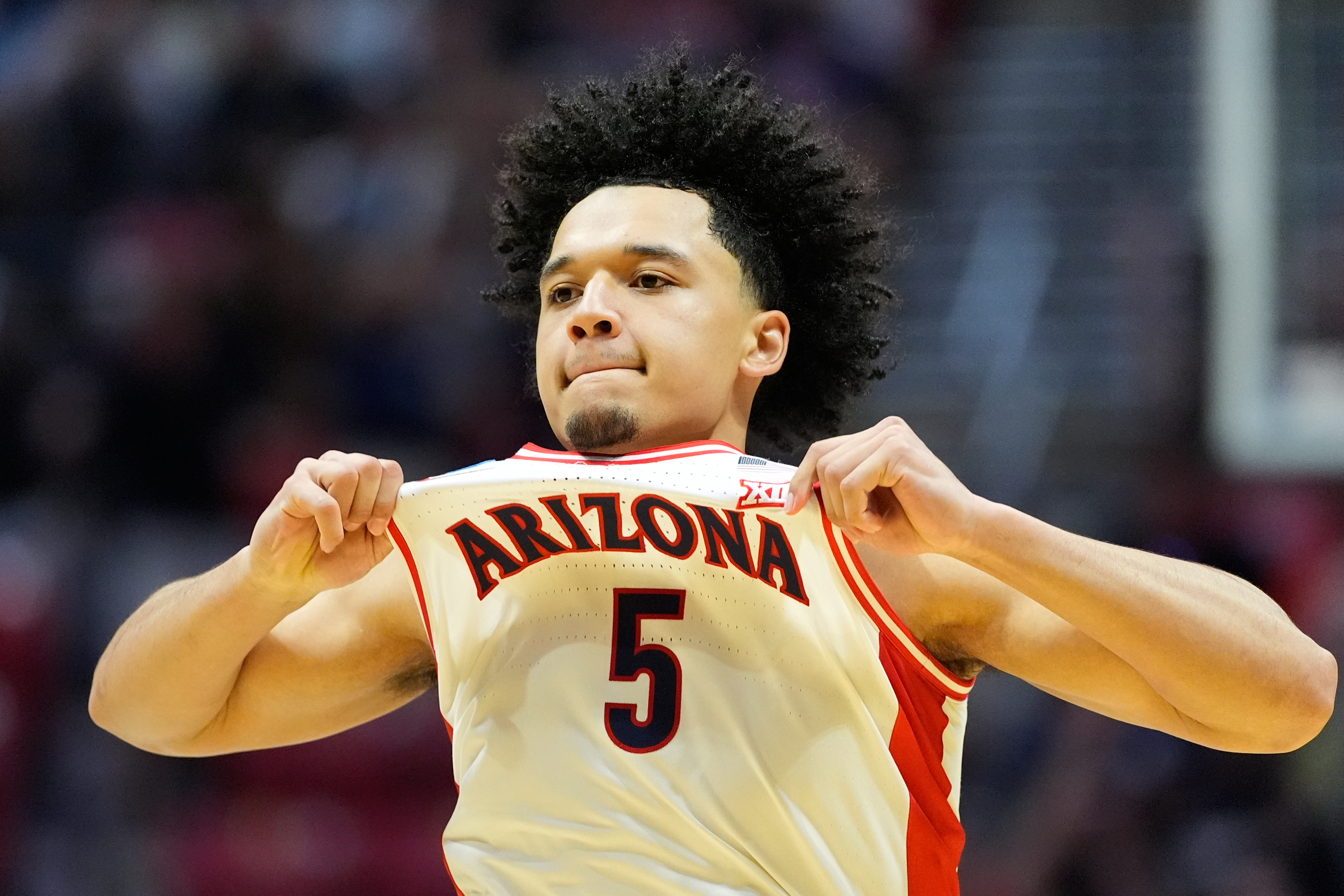
The Big Ten won big in the second round of the NCAA Tournament while not actually winning much of anything.
The conference advanced six teams to the Sweet 16 for the first time in history and outclassed its Power Five rivals. The SEC is sending four teams to the regionals, followed by the Big 12 (three), the Big East (two) and the ACC (one).
The surviving contingent features (with seeds) No. 1 Michigan, No. 2 Purdue, No. 3 Michigan State, No. 3 Illinois, No. 4 Nebraska and No. 9 Iowa.
But the Big Ten remains four rounds away from the prize that matters most. It has not claimed the national championship since Michigan State was the last team standing in 2000.
The ACC, Big 12, Big East and SEC have all won numerous titles over the past quarter century.
The title drought is equally dumbfounding and embarrassing for a conference with a rich basketball history and gobs of money. Even the American Conference, which did not exist when Michigan State cut down the nets, owns a national championship over the span.
The Big Ten’s success over the first weekend for the 2026 tournament was rooted in minding its business — the conference won 11 games against lower seeds — and mustering one major upset: Iowa toppled Florida, the No. 1 seed in the South and defending national champions, with a 73-72 victory in Tampa.
As a result, the Big Ten has collected 22 tournament units (i.e., games played), which are worth approximately $46 million over the six-year payout period. And because Nebraska faces Iowa in the Sweet 16, the conference is guaranteed to advance at least one team to the Elite Eight.
If the drought doesn’t end this year, it might last another 25.
Other winners and losers from the second round …
Loser: The West. Of the 16 teams remaining, only one, Arizona, is located in the Mountain or Pacific Time Zones. Responsibility for the region’s meager showing starts with UCLA and Gonzaga but extends to San Diego State, BYU and the legacy Pac-12 schools that have failed to gain traction in the post-realignment world. And in case you’d forgotten, the West hasn’t won the national title since Arizona’s run in 1997.
Winner: Power conferences. For the second time in tournament history — and the second consecutive year — the Sweet 16 is made up entirely of teams from the four major football conferences and the Big East. Put another way: The mid-majors are nowhere to be found. The only double-digit seed to advance is Texas, which has one of the richest athletic departments in the country.
Loser: Big 12. Commissioner Brett Yormark boldly billed his conference as the second-best league in the land behind the NBA, but the NCAA Tournament evidence — only three teams in the Sweet 16 — does not support his claim. Yes, the Big 12 was undercut by two crucial injuries (Texas Tech’s JT Toppin and BYU’s Richie Saunders). But the middle of the conference was a bit wobbly, as well.
Winner: Arizona. The top-seeded Wildcats suffered a mini-meltdown in the second half against Utah State as an 18-point lead was sliced to four. But point guard Jaden Bradley and center Mo Krivas saved Arizona from another March face plant. Two wins from the promised land, the Wildcats face Arkansas, a dangerous opponent with a superstar guard, Darius Acuff Jr., in the Sweet 16.
Loser: UCLA. The Bruins will miss the regional round for the third consecutive year after faltering down the stretch against Connecticut. Plenty of blue blood programs are thriving in the NIL era; UCLA is not one of them. When asked what changes were needed, coach Mick Cronin revealed that he would like an additional $5 million for roster construction. It was yet another bad look for Cronin, who would have been better off saying nothing.
Winner: Houston. The Cougars pounded Texas A&M to reach the Sweet 16 a few miles from their campus (at the Toyota Center). We view Kelvin Sampson and Co. as the clear favorite to win the South and reach the Final Four for the second consecutive season.
Loser: ACC. The same conference that gave us a five-loss football champion (Duke) that didn’t qualify for the College Football Playoff watched seven of its eight tournament teams tumble during the opening week.
Winner: First Four. Texas is the sixth team since the First Four was created in 2011 to advance from Dayton to the Sweet 16. Two of the previous five, VCU and UCLA, made the Final Four.
Loser: West Coast Conference. Three teams qualified, but Saint Mary’s and Santa Clara were eliminated in the first round and Gonzaga departed in the second. All in all, the conference hoped for better given the seeds and matchups. The Gaels played poorly. The Broncos were simply unlucky.
Winner: Nebraska. After securing the first tournament win in school history, the Cornhuskers doubled their total with a pulsating 74-72 victory over Vanderbilt in what we consider the game of the tournament thus far.
Loser: Gonzaga. The Zags looked like a Final Four threat throughout non-conference play. But the forecast for March turned bleak in January when high-scoring forward Braden Huff suffered a season-ending knee injury. From that point on, the Zags were a flawed team that needed everything to break right just to reach the Elite Eight. Turns out, they didn’t have enough playmaking to handle Texas in the second round.
Winner: Duke conspiracy theorists. The Blue Devils’ second-round date with TCU ended in lopsided fashion. But it was a competitive game in the second half until the officials missed a clear goaltending violation by Duke, then slapped TCU coach Jamie Dixon with a technical foul to complete what amounted to a four-point swing.
Loser: Cinderella. The combination of NIL and the transfer portal has widened the gap between the richest schools and everyone else. It has been three years since a Cinderella (Florida Atlantic) reached the Sweet 16.
Winner: Sean Miller’s reputation. Cut loose by Arizona after the recruiting scandal, Miller returned to Xavier, spent three years with the Musketeers before skipping to Texas. After three wins in five days, the Longhorns are heading to San Jose for the regionals. He is one round away from an Elite Eight showdown against his former employer.
Loser: Kentucky. The Wildcats were extremely fortunate to escape Santa Clara in the opening round, then were run off the court by Iowa State, which was missing its best player, in the second round. Given the amount plowed into its roster (about $20 million), Big Blue leads the country in dead money.
Winner: CBS announcing crews. Not all of them are A-level, but there are no lemons in the bunch. On the whole, it’s an impressive group that provides contexts and insight on a steady basis.
Loser: The CBS studio show. It’s unwatchable, unfortunately. Just as the best teams have a superb floor leader, so does an elite studio show need an expert host. And Nate Burleson, clearly clueless about college basketball, is not that.
Winner: East region. With Duke, UConn, Michigan State and St. John’s, the East possesses a combination of blue blood programs and Hall of Fame coaches no other region can match.
*** Send suggestions, comments and tips (confidentiality guaranteed) to wilnerhotline@
*** Follow me on the social media platform X: @WilnerHotline
ReplyReply allForward
Share in chat
Related posts:

(AP Photo/Damian Dovarganes, File)
Pac-12 survival: Oregon, Washington to deliver the death blow, leave for the Big Ten; more defections expected
(AP Photo/Ralph Freso, File)
Wilner – AP top-25 rankings: My ballot, the preseason poll and solid Pac-12 representation
(AP Photo/Stephanie Scarbrough)
VIDEO – Wilner Hotline, best of the best in college football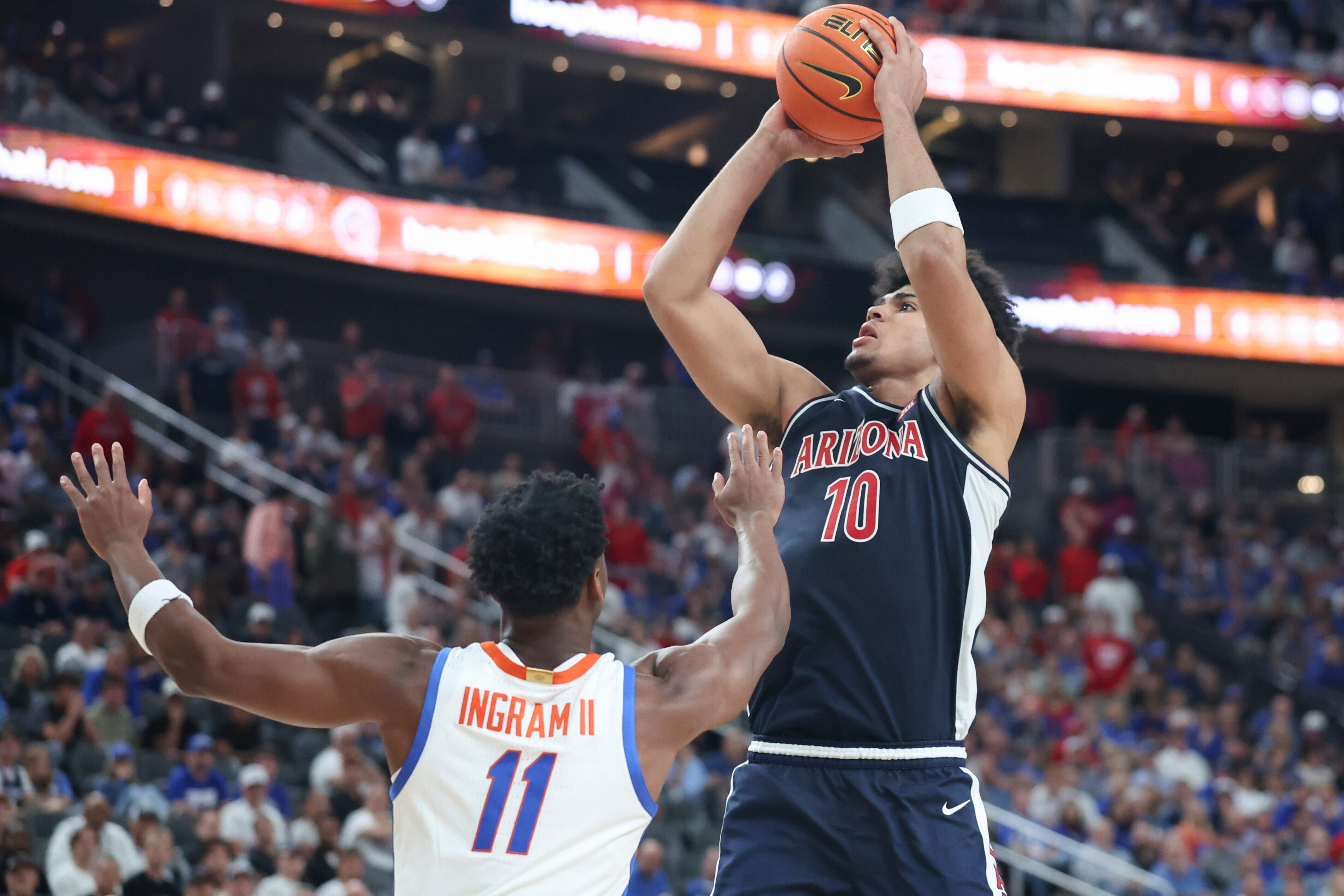
(AP Photo/Ian Maule)
NCAA Tournament: Regional breakdowns, Cinderella options, top players and picks for all 67 games