 Sports360AZ
The Unknown Parent is a series of musings for Sports360AZ.com from an anonymous parent of athletes. The parent is an Arizona high school sports fan from their time involved in education, coaching and athletics. Want to have your questions or comments featured in future articles? Email TheUnknownParentAZ@gmail.com.
“Eliminate Distractions.”
That’s the advice that coaches give kids if they want to excel as an athlete. I’m sure every individual student athlete, if they really think hard about it, know exactly what the “distractions” are in their lives. It’s usually time-sucking activities like mindless social media scrolling, or late night video game sessions when your body needs recovery and rest.
Two of my kids are playing two different sports right now. One is on a playoff run in a fall sport, and one has moved on to a winter sport. Both coaching staffs have the same message for their teams- and the intentions in those messages are good. But as a parent, when I hear that same bit of advice as a general rule for pursuing excellence, I cringe. It’s hard for me not to interject. The people giving this advice are often in the business of sport- they are coaches. Or private trainers, or people who actually make a living off of a monetized children’s game. They have a different perspective, and in my opinion, it’s the wrong perspective.
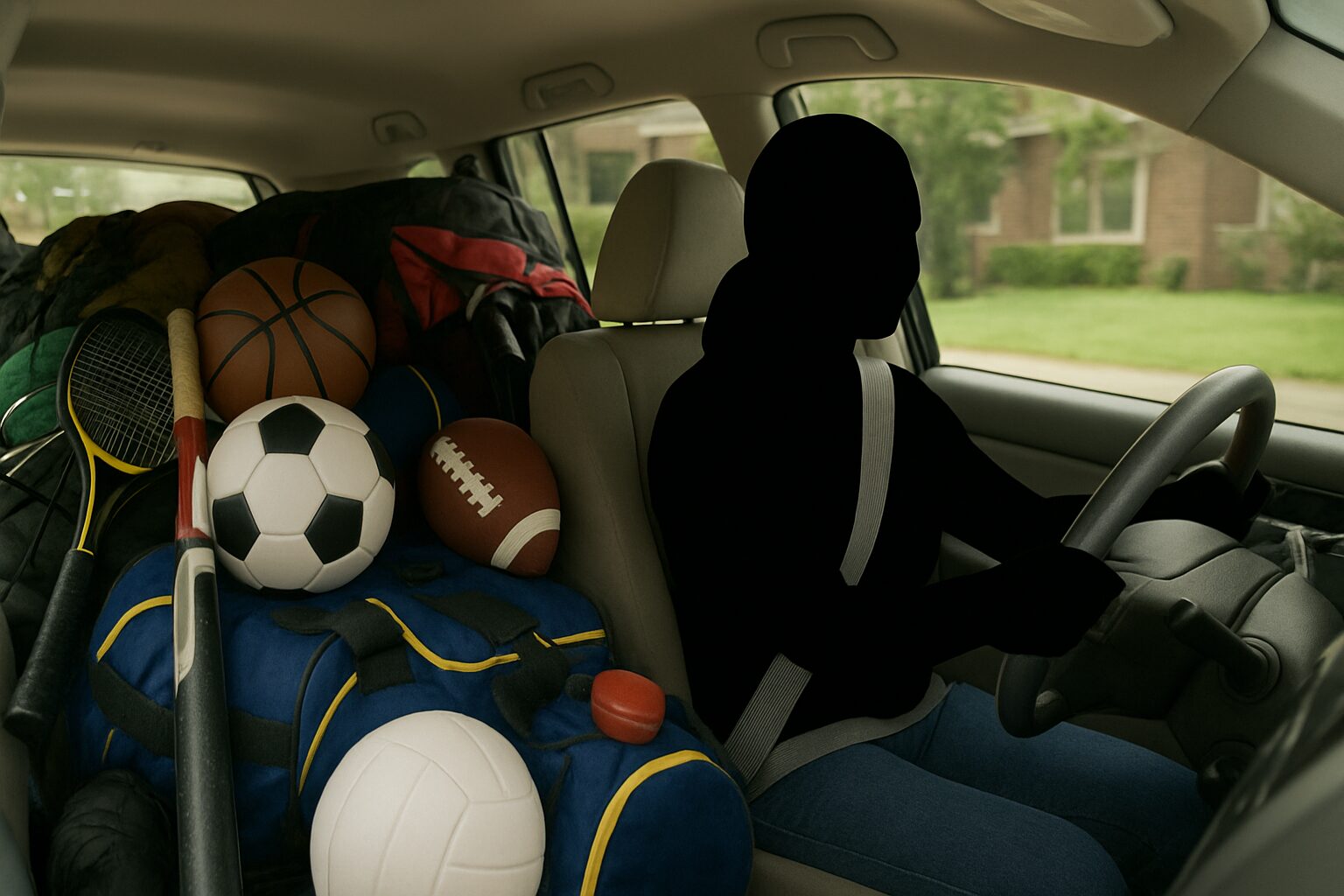
The elimination of distraction is merely one of the ingredients in the recipe for greatness, but not all kids aspire to greatness- and the scope creep of what coaches and trainers view as a “distraction” is one of the greatest ills in all of youth sports- Specialization. Playing basketball could be considered a distraction from maxing out your potential as a softball player. Golfing could be a distraction from achieving your potential in soccer. Spending the summer with your family instead of your school’s 7’s team could be considered a distraction from being the best you can be at tackle football. We see coaches like Nick Saban praise the multi-sport athlete, and society applauds the sentiment, but then parents turn around and say yes to 20 weekends a year of AAU basketball, or a calendar chocked full of Club volleyball. According to Rustin Dodd of The Athletic, American kids are spending twice as much time in organized sports as they are playing sports for fun.According to a Project Play survey, the average American sports family spent $1,016 on their child’s primary sport in 2024, a 46% increase since 2019.
Being an athlete is a career path for less than 1% of high school athletes- and far less than 1% of the athletes that eventually accept a paycheck to play their sport will make enough money to not need to pursue an entirely different career path once the sport they specialized in comes to an end. When it comes to the totality of a person’s life- it’s not the activities outside the sport that are a distraction, it’s the sport itself.This is a pastime. No one should ever be reprimanded for pursuing excellence, but modern organized sport is about holding 100% of the participants to the same standard that will ultimately only benefit the 1%.
To the coaches and trainers reading this- I don’t expect to reach you with this message. I don’t mean to insult the standard you hold your programs to- I wish math teachers were as passionate about getting the best out of their pupils as high school coaches are! But to the parents- be honest with yourselves! Is your child among the 1%? Are you willing to risk burnout to find out? Look at your own lives- surely for the overwhelming majority of you, sports was merely only a footnote to a full life that you now have the privilege to re-live through your children’s journeys… but this is a hobby! I’m not saying that you should excuse your children’s over-participation in mindless activities, but you do need to understand that experiences outside of their primary sport aren’t a distraction- at the end of the day, they’re the main thing!
Don’t eliminate all distraction- instead, embrace as many good distractions as possible!
-The Unknown Parent