
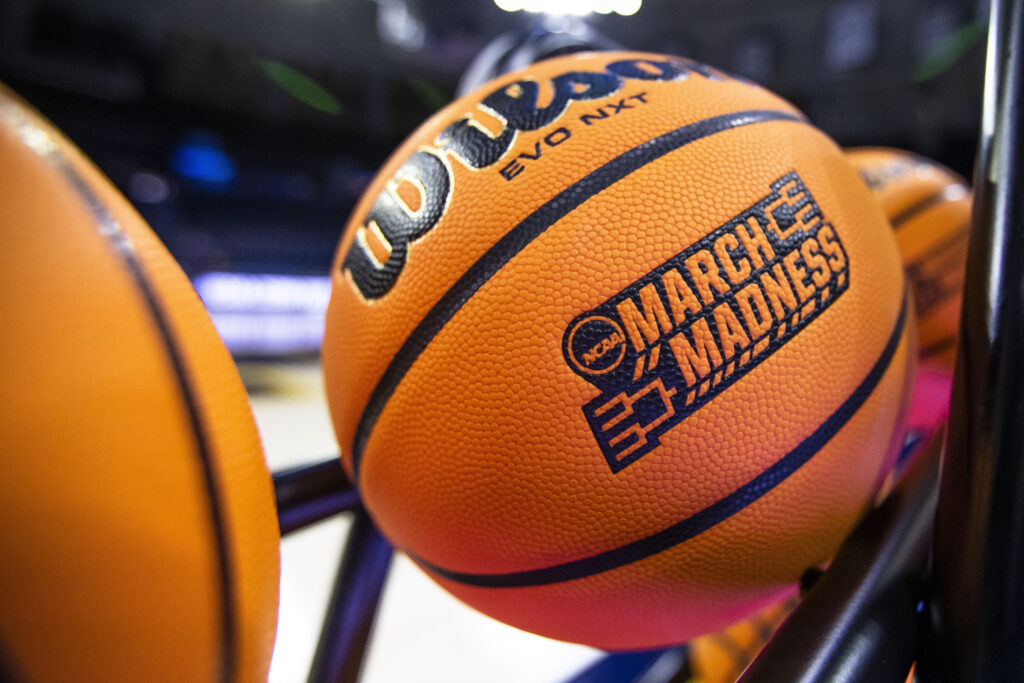
In what might be the biggest upset since 16-seeded UMBC beat No. 1 Virginia eight years ago, the NCAA Tournament selection process came and went Sunday without controversy, outrage or blasphemous decisions.
One-loss Miami (Ohio) made the at-large field, albeit narrowly, while 16-loss Auburn just missed the cut.
Injuries to star players were properly considered in the seeding process, as were the results of conference tournaments.
The power conferences dominated the at-large pool, but deserving mid-majors were included, as well.
It was all impressively sensible, to the point that even social media was left devoid of anger.
“We aim to disappoint,” David Worlock, the NCAA Director of Media Coordination/Statistics, wrote on his X account in response to a comment that “hardly anyone seems upset about anything related to the NCAA Tournament.”
The committee doesn’t always function at the level on display this weekend. Last year, it stepped into a mess when North Carolina grabbed the final at-large spot with the school’s athletic director, Bubba Cunningham, chairing the selection committee.
But this year? When perhaps the most controversial decision was awarding St. John’s a No. 5 seed despite winning the Big East regular-season title and conference tournament, it’s a clear sign of a clean bracket.
And when the committee chair, Keith Gill, appears on CBS and answers questions in a thoughtful, lucid fashion, it’s a clear reminder that the March Madness selection process is light-years ahead of the College Football Playoff equivalent.
Remember the Notre Dame-Miami fiasco a few months ago?
How about the Florida State exclusion in 2023?
The CFP process features five meaningless weekly ranking shows, reams of conflicting, murky metrics, hypocritical explanations and mumbled comments by committee chairs — all of which serve to undermine the public’s faith in the playoff.
One selection process is rooted in logic and transparency.
The other desperately needs an overhaul but is undercut by a breathtaking lack of leadership.
So congrats to the NCAA Tournament committee, which did first-rate work this year.
Our look at the winners and losers …
Winner: Sanity. It was close with both, but Miami (Ohio) made the cut following an undefeated regular season — the RedHawks (31-1) lost in the MAC tournament — while Auburn (17-16) was excluded, thankfully.
Loser: Expansion proponents. When 16-loss Auburn and 15-loss Oklahoma are the first teams left out, it’s clear 68 teams are enough. Then again, the conference commissioners, university presidents, athletic directors and coaches pushing to expand the tournament to 76 teams aren’t interested in the competitive merits of a larger field. They want the job security and performance bonuses that come with access.
Winner: East region. There are more blue bloods and elite coaches in the East than anywhere else, with Duke, Kansas, Michigan State, UCLA, Connecticut, and Louisville. And don’t forget about St. John’s, with arguably the best coach in the history of the sport, Rick Pitino.
Loser: Pac-12 legacy schools. Only Arizona and UCLA made the field, with nobody else close enough to be considered one of the first four left out. No single explanation accounts for the poor collective showing, but it’s difficult to spot a path to sustained relevance for any of the other 10 schools, given the construction of their new conferences and the travel demands placed on many of them.
Winner: The SEC. For the second consecutive year, the conference that used to be known for its football prowess topped the Power Four in tournament bids, collecting 10. That was one more than the Big Ten and two more than the ACC and Big 12.
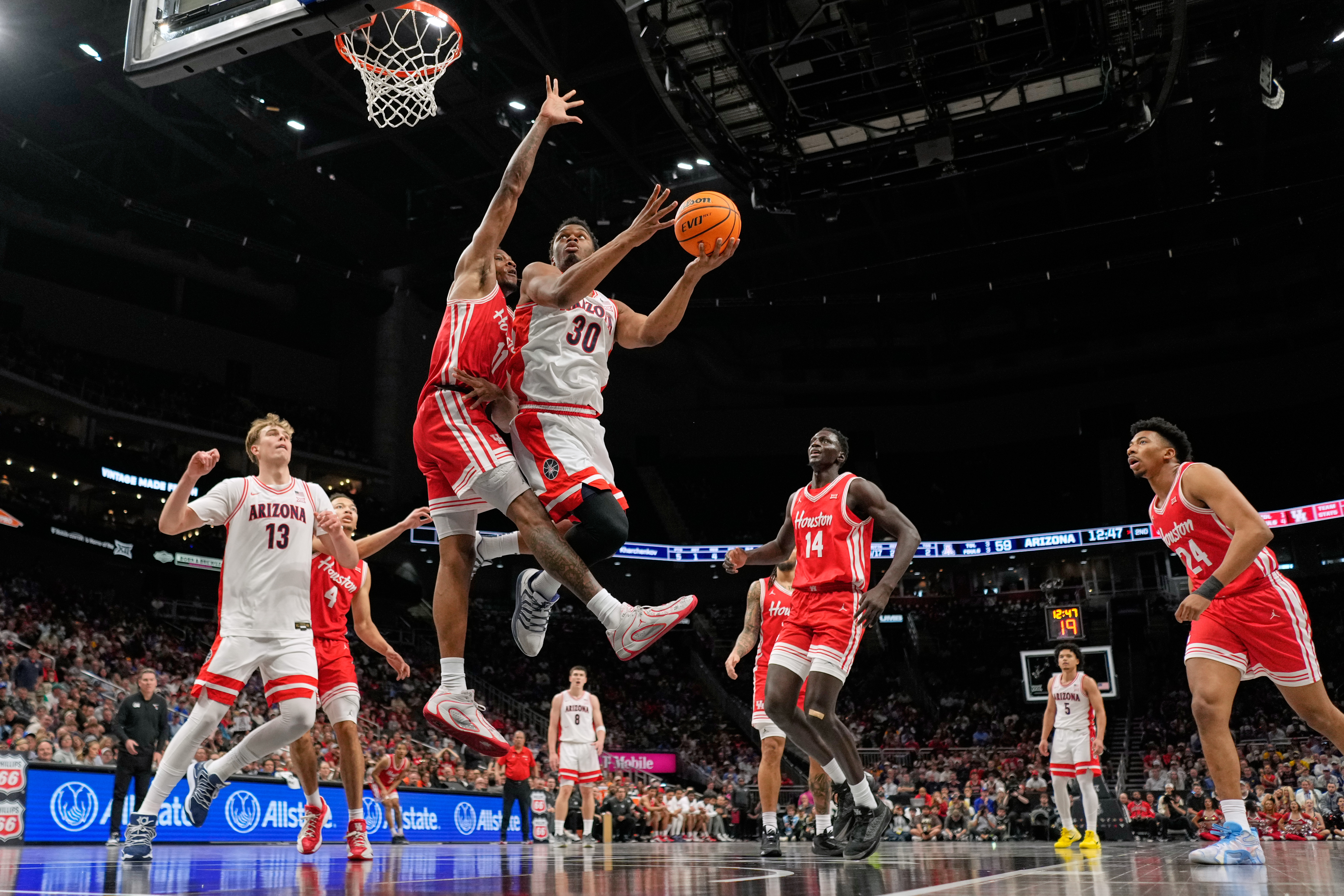 Loser: Arizona. The Wildcats were the No. 2 overall seed (behind Duke) and placed in the West, with a path that takes them to San Diego and San Jose — all fully expected and favorable. But the draw? Yikes. Their region includes a sneaky-tough No. 5 seed (Wisconsin), the nation’s best point guard (Darius Acuff Jr. of No. 4 Arkansas), coach Tommy Lloyd’s former employer (No. 3 Gonzaga), and the Big Ten tournament champions (No. 2 Purdue).
Winner: West Coast Conference. The league’s final year with Gonzaga produced three tournament bids, plus favorable seeds and matchups: No. 10 Santa Clara could give Kentucky fits; and No. 7 Saint Mary’s has a winnable opener, as well (Texas A&M). And the Bulldogs? They were placed in the West and climbed onto the No. 3 line, allowing them to avoid a showdown with Arizona until the Elite Eight.
Loser: Florida. The Gators were the fourth No. 1 seed and thus paired in the South with the strongest No. 2 seed, Houston. Normally, that wouldn’t be particularly noteworthy. But in this case, the Sweet 16 and Elite Eight are in … Houston.
Winner: UCLA. After all their travel for conference play, the Bruins must schlepp back across the country for their first-round assignment in Philadelphia against UCF. The good news: They rose to a No. 7 seed, thus avoiding the dreaded No. 8/9 matchup — the winner faces the No. 1 — and they are bracketed with a vulnerable No. 2 seed, Connecticut. Mick Cronin might complain about the location, but he should be pleased with the opponents.
Loser: The Big East. A suboptimal season for the conference resulted in just three bids and St. John’s, which won the regular season and conference tournament, was handed a No. 5 seed. We suspect Pitino will find a way to use that snub to his advantage.
Winner: The Big 12. The conference tied its record with eight total bids and received more No. 1 and 2 seeds (three) than the ACC, Big Ten or SEC.
Loser: The Big Two. The SEC and Big Ten accounted for a whopping 20 of the 37 at-large bids last season. This time, they only received 17. Expect to see them leak a breakaway threat in three … two …
Winner: Mid-majors. Thanks to upsets in conference tournaments, both the Mid-American Conference and Atlantic 10 placed two teams in the field. Add the WCC’s trio, and the little guys will be represented at a level befitting the tournament’s rich history of mayhem.
Loser: Mountain West. In the final year of its current structure, the conference was shut out of the at-large pool for the first time since 2017. How? San Diego State was the third team below the cut line, with New Mexico receiving even less support. And the conference champion, Utah State, was handed a No. 9 seed despite solid metrics. All in all, a forgettable finish for the conference as we know it.
Winner: Nebraska. A breakthrough regular season under coach Fred Hoiberg resulted in a No. 4 seed and a first-round game in nearby Oklahoma City (against Troy). The Cornhuskers are ideally positioned to collect their first NCAA Tournament victory ever.
Loser: CBS. The Selection Show isn’t what it used to be, folks — and we don’t mean because longtime host Greg Gumbel is no longer with us. (Host Adam Zucker does a fine job.) The production Sunday afternoon encountered several glitches, and the content has deteriorated with former Auburn coach Bruce Pearl taking over for Jay Wright.
Winner: Portland. The eight-team pod at the Moda Center will include BYU and Gonzaga, with the former WCC rivals meeting in the second round (if both advance). Tickets will be pricey; empty seats will be scarce.
*** Send suggestions, comments and tips (confidentiality guaranteed) to wilnerhotline@
*** Follow me on the social media platform X: @WilnerHotline
Related posts:
Oregon running back Bucky Irving, (AP Photo/Amanda Loman)
Pac-12 rewind: UW and Oregon dominate, WSU meets the moment, Utah and USC survive in telling Week 4 action
Southern California wide receiver Brenden Rice, (AP Photo/David Zalubowski)
Saturday Night Five: USC’s offensive defense, UW’s desert escape, Cal’s big win and more Mailbag: Week 1 is average nationally (but solid on the West Coast), Pac-12 vs. MW cash, Big Ten private capital and more

AP Photo/Julie Jacobson, File)
Selection Sunday preview: The No. 1 seeds, Miami’s fate, Pac-12 legacy woes, injury issues and mid-major mathJon Wilner
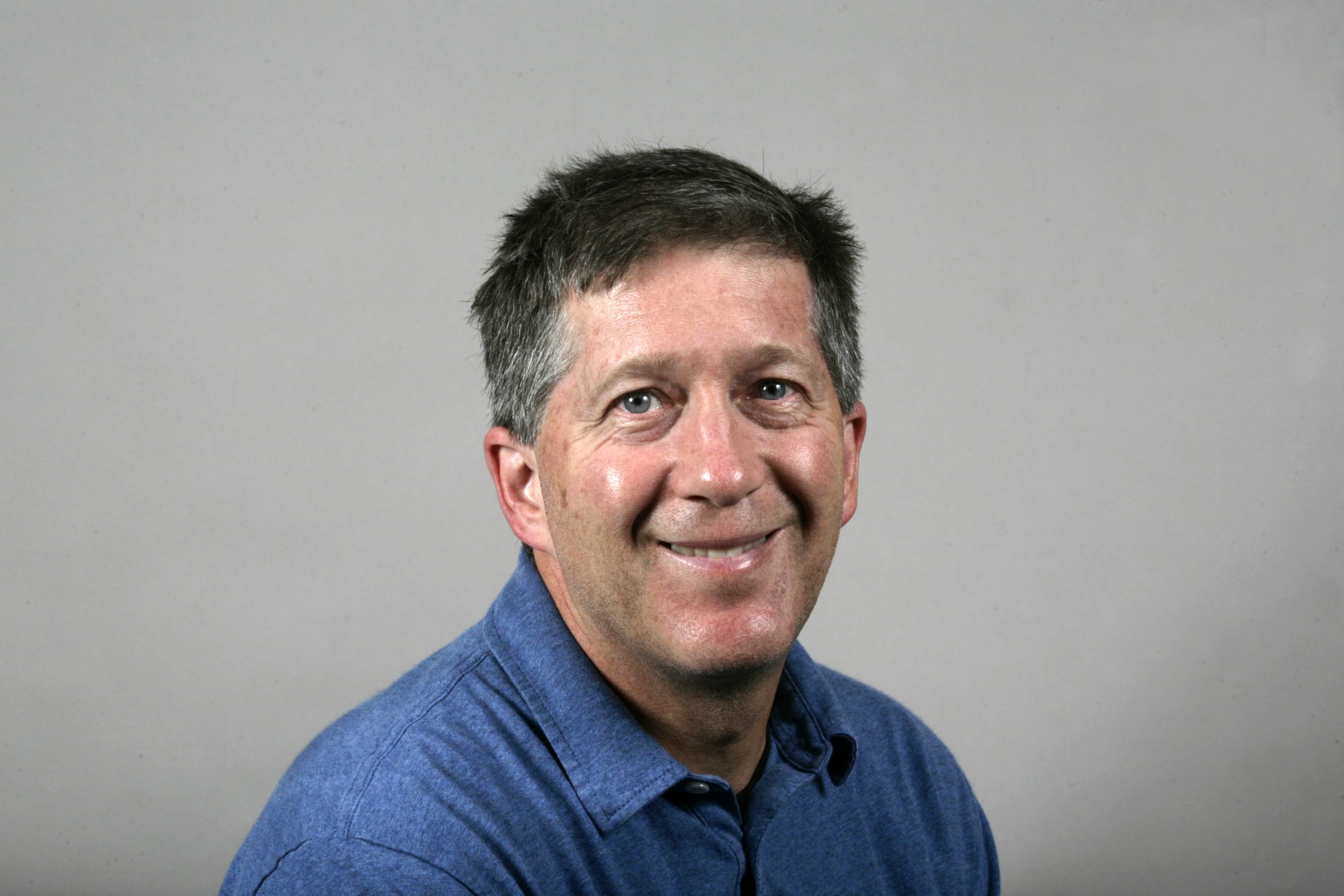
Jon Wilner has been covering college sports for decades and is an AP top-25 football and basketball voter as well as a Heisman Trophy voter. He was named Beat Writer of the Year in 2013 by the Football Writers Association of America for his coverage of the Pac-12, won first place for feature writing in 2016 in the Associated Press Sports Editors writing contest and is a five-time APSE honoree.